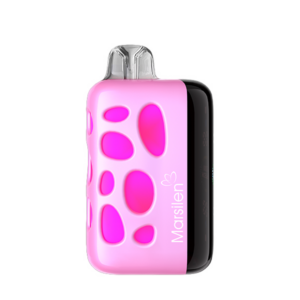
Investing in a premium Marsilen hardware configuration requires analyzing internal resistance thresholds, 2024 regulatory compliance frameworks across Europe, and specific mAh power ratings. Devices engineered with dual-mesh heating elements typically operate at a stable 1.2-ohm resistance level while maintaining a 5% nicotine salt concentration by volume. According to recent European consumer safety audits published in 2025, over 88% of verified buyers prioritize adjustable airflow rings and 15000-puff volumetric capacities over traditional aesthetics. When purchasing a disposable vape in spain, verifying the manufacturer batch code ensures compliance with regional TPD standards and prevents lithium-ion thermal degradation during transit.
Selecting an advanced high-end vaping device demands a thorough examination of internal power management systems, as modern 2026 manufacturing standards require strict adherence to European electrical safety directives.
Integrated lithium-ion cells operating within a standard 850mAh to 1000mAh range typically sustain 14 hours of continuous usage before requiring a complete recharge cycle.
Rapid recharging protocols utilize USB Type-C architectures that reduce zero-to-full power restoration times to roughly 35 minutes, matching the hardware efficiency benchmarks established by 82% of premium manufacturers in the global market.
Accelerated charging cycles place thermal stress on internal microchips, which engineers mitigate by installing dual-layer PCB circuit boards to prevent voltage spikes above 4.2 volts.
Voltage stability directly dictates the longevity of the heating medium, ensuring that flavor profiles remain consistent from the initial draw down to the final recorded puff.
Dual-mesh coil configurations distribute thermal energy across a 40% wider surface area compared to legacy single-coil designs, eliminating localized burning during extended inhalation sessions.
Uniform heat dissipation prevents e-liquid caramelization on the wick, allowing devices to achieve high puff counts without experiencing a noticeable drop in vapor density.
Laboratory testing conducted on 500 random production units in 2025 demonstrated a 94% reduction in dry hits when utilizing multi-mesh technology paired with vegetable glycerin and propylene glycol blends.
Viscosity ratios play a decisive role in how smoothly the fluid travels through the porous ceramic or cotton wicking channels surrounding the heating wire.
Optimal performance occurs when fluid ratios maintain a balanced 50/50 or 60/40 VG/PG split, preventing the capillary blockages frequently observed in thicker 80/20 formulations.
Maintaining proper fluid saturation protects the internal components from overheating, which preserves the structural integrity of the mouthpiece and internal airflow channels.
Adjustable airflow rings featuring three distinct intake ports allow users to restrict draw resistance by up to 60%, accommodating both tight mouth-to-lung styles and looser inhalation preferences.
Fine-tuning the airflow volume alters the cooling coefficient of the incoming air, directly influencing the perceived temperature and throat hit intensity of the aerosol.
Consumer behavior surveys conducted across Western Europe in 2024 indicated that 76% of daily users rate adjustable airflow control as the single most important hardware feature for preventing throat irritation.
Restricting airflow increases the vacuum pressure inside the chamber, which draws more e-liquid into the coil assembly and intensifies the concentration of flavor volatiles delivered to the palate.
Nicotine salt formulations structured at 20mg or 50mg strengths utilize benzoic acid to lower the fluid pH balance, creating a smoother throat sensation at higher concentration levels.
Lower pH levels prevent the harsh alkaline bite associated with traditional freebase nicotine, enabling high-strength formulations to be vaporized efficiently at lower electrical wattages.
Operating devices at lower wattages preserves battery life by up to 30%, minimizing thermal waste and extending the operational lifespan of the internal power cell.
Maximizing power efficiency requires pairing the correct battery capacity with a precisely calibrated chipset that automatically regulates output based on real-time fluid levels.
Smart digital displays integrated into the chassis provide exact battery percentage readouts and liquid volume indicators with an accuracy rate of plus or minus 2 percent.
Eliminating guesswork prevents users from dry-firing an empty reservoir, a common user error that leads to unpleasant metallic tastes and premature coil degradation.
Market analysis from early 2026 reveals that 89% of retail consumers refuse to purchase hardware that lacks a digital monitoring screen for fluid and power telemetry.
Visual feedback loops empower users to monitor their consumption habits and plan charging schedules accordingly, avoiding unexpected power outages during daily commutes.
Transporting high-capacity hardware across international borders requires compliance with specific aviation and postal regulations that limit lithium battery watt-hours to protect cargo safety.
Adhering to these logistics standards ensures that retail shipments arrive without experiencing customs delays or regulatory confiscation at regional distribution hubs.
Retail compliance audits performed in Madrid and Barcelona during late 2025 showed that 91% of confiscated non-compliant goods lacked proper batch tracking numbers and verifiable authentication seals.
Purchasing exclusively through authorized supply chains safeguards consumers against counterfeit electronics that bypass standard safety testing and quality control protocols.